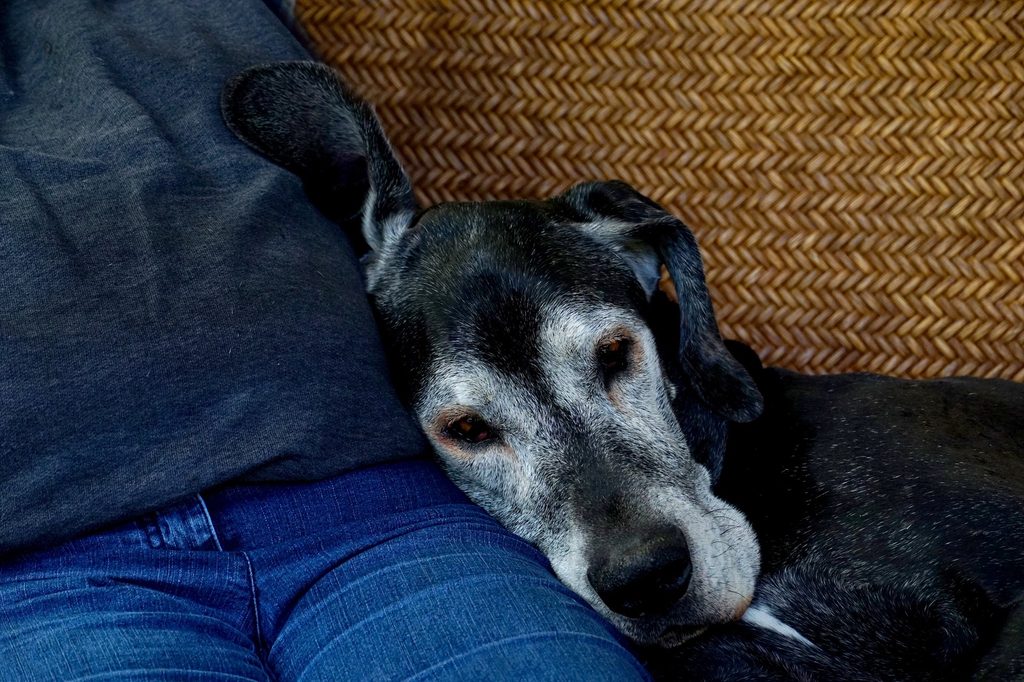
Your dog is not only your best friend, but also a member of your family. That’s why it can be so special to watch them grow up and grow old. Sharing your life with a senior dog is a joy and a privilege, especially when you’ve been through so much together. But caring for an older pet won’t be without its challenges.
Just like the bump in health issues we see in human senior citizens, an increased risk of health problems is also common in senior dogs. Older dogs frequently experience changes in their eating and sleeping patterns, such as snoozing more often or a decrease in appetite. While small, gradual shifts are to be expected, sudden changes are worth looking into.
If you have an old dog eating but not drinking water or an old dog sleeping a lot and not eating, it’s time to bring your senior pooch to the vet for a checkup. Here’s what you need to know about an old dog not eating, from why it happens to what you can do about it.
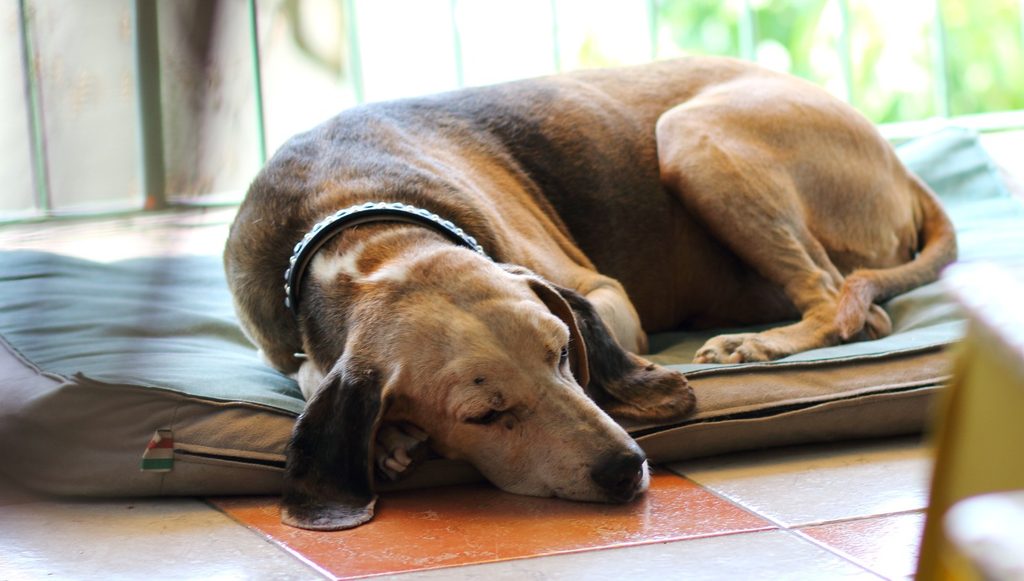
What could your old dog’s loss of appetite mean?
It’s always alarming when one of your fur babies stops eating out of the blue, but a sudden loss of appetite is particularly worrisome when you have an older dog. However, you don’t need to panic! Changes in appetite aren’t necessarily a sign that your dog is approaching the end of life.
As dogs age, their metabolism and activity levels slow. Because your pooch is expending less energy, they may not feel the need to eat as much as they used to. In rarer cases, your dog’s loss of appetite may also be due to an underlying health problem, such as:
Cancer
Unfortunately, cancer is the leading cause of death in dogs ages 10 and older. Half of all dogs will develop cancer in their lifetimes, and an estimated one out of four dogs will die from this heartbreaking disease.
A number of different cancers can cause a change in appetite, but it can also be a side effect of many cancer treatments. In many cases, a veterinarian will be able to help you come up with a plan to keep your fur baby fed an comfortable.
Pancreatitis
Your pooch may suffer from a loss of appetite, vomiting, and diarrhea if they’re afflicted with this potentially life-threatening inflammation of the pancreas. Pancreatitis can have a high mortality rate — approximately 40% of dogs suffering from severe acute pancreatitis won’t survive — but it can be treated if it’s caught early. This is why it’s never a bad idea to visit the vet when you’re feeling worried.
Addison’s disease
Often called “the great imitator” for its ability to mimic other illnesses, Addison’s disease affects your dog’s adrenal glands, leaving them unable to produce hormones necessary to control basic bodily functions. Hair loss, diarrhea, vomiting, loss of appetite, increased thirst, dehydration, and shaking are all symptoms of this disease. While Addison’s disease is incurable, its symptoms are treatable.
Heart problems
Just like humans, older dogs are at an increased risk of heart problems, such as heart valve degeneration, cardiac arrhythmia (irregular heartbeat), and canine dilated cardiomyopathy (DCM), a weakening of the heart muscle that leaves it unable to pump blood properly. Some breeds may be prone to heart problems, too, so it’s worth doing your research.
Kidney and liver problems
Loss of appetite is a common symptom of kidney and liver diseases, which results in an inability to properly remove waste from the bloodstream and a buildup of toxins. Kidney and liver disease are both common in dogs, especially older dogs.
Non-serious causes for loss of appetite
Fortunately, your senior dog’s loss of appetite may not be anything to worry about. Just like people, dogs can experience a loss of appetite because of a stomachache, overindulgence, or even food poisoning. If your dog suffers from allergies or has contracted a cold, they may not be interested in food for a few different reasons: either they can’t smell it, or they just don’t feel like eating.
Because a loss of appetite may be a symptom of a potentially life-threatening illness, we recommend taking your dog to the vet as soon as possible. Yes — even though it’s a false alarm most of the time! If your pup also stops drinking, though, it’s time for a visit to the emergency vet.
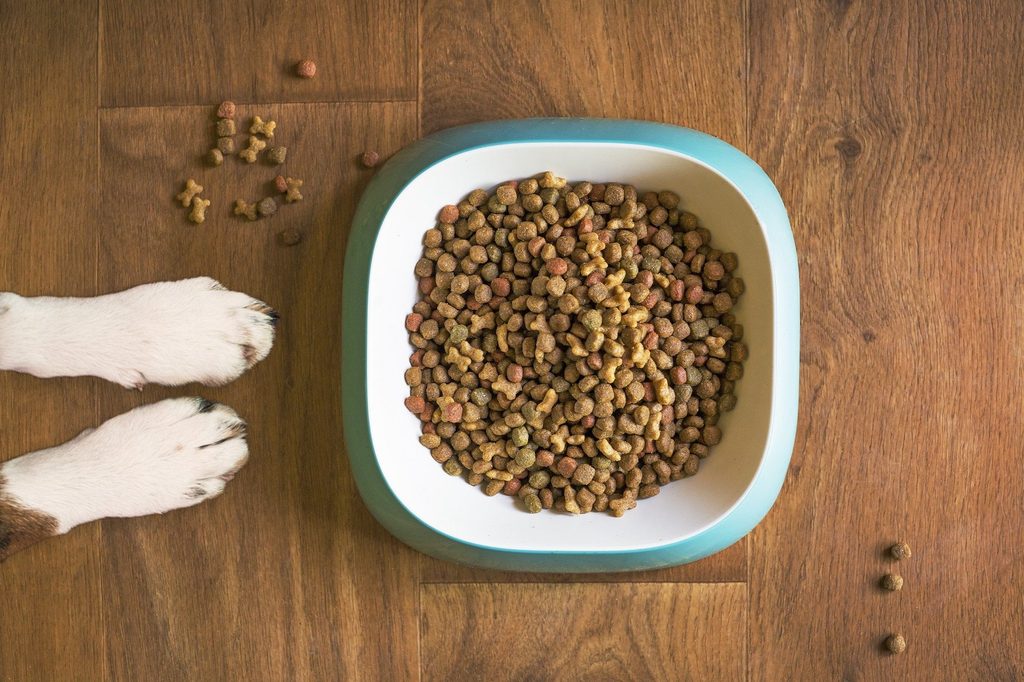
What to do when your old dog stops eating
Just like humans, dogs have distinctive personalities. Some dogs are finicky eaters and turn their noses up at most foods, while others eat every last bite of kibble, no matter what you feed them. When you notice a change in your dog’s appetite, it’s important to make a note of what’s changed.
A loss of appetite doesn’t necessarily mean your dog refuses to eat a single bite, but they may not be eating as much as they used to. It can still be a cause for concern, though; seeing your dog refuse to finish a bowl of their favorite food is disconcerting for any pet parent. Some dogs may stop eating altogether.
Whether your dog isn’t as enthusiastic as they used to be at mealtime or they’ve given up on food completely, we recommend a trip to your vet for a checkup. Your vet will undoubtedly ask questions about your dog’s eating habits, such as:
- How long has it been since your dog ate?
- Have there been any changes in your dog’s diet or home life?
- How much has your dog been eating at a time recently? Is the amount different from usual?
- Is your dog losing weight?
- Does your dog have any other symptoms, like vomiting or diarrhea?
- Has your dog’s water consumption increased or decreased?
- Does your dog reject all food, or are they willing to eat certain things?
- Do you free-feed your dog? If not, how often do you feed your dog every day?
Because dental disease is common in older dogs, your vet will probably examine your dog’s teeth to rule that out as a potential cause. The vet will also probably conduct blood tests and collect urine and fecal matter samples.
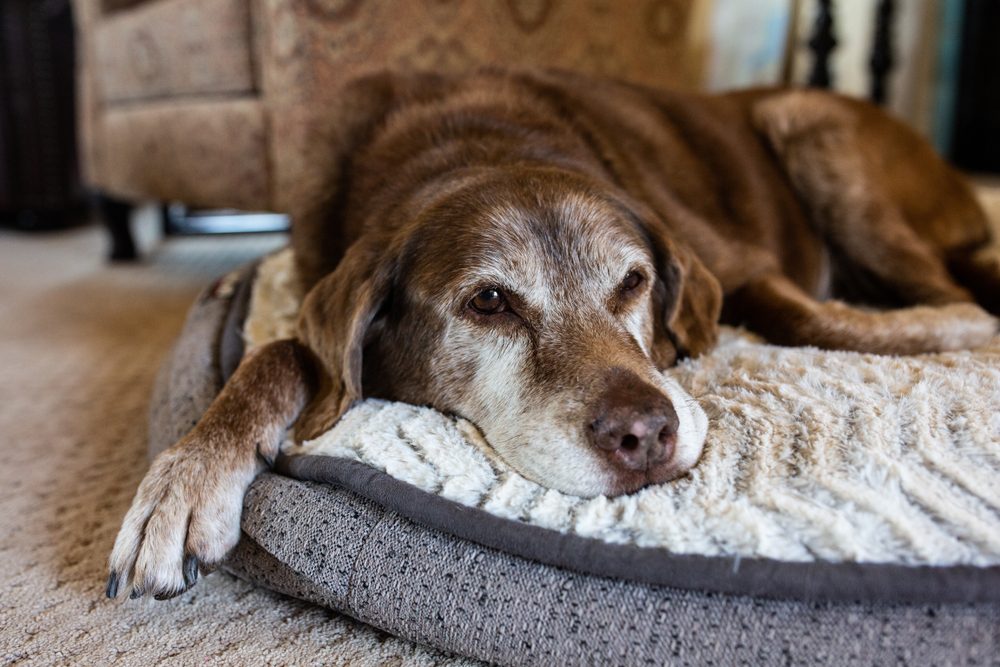
What happens when an old dog stops drinking water?
As previously mentioned, a dog who isn’t drinking water could be in a lot more trouble than a dog who isn’t eating. After all, water is essential to every bodily function, and it only takes a few days without water to end a person’s or animal’s life. Fortunately, there are many strategies pet owners can implement to get their fur babies hydrated again.
If a dog isn’t drinking water because of an environmental change, you will want to do your best to recreate their “old” water bowl setup. Alternatively, raising your old dog’s water dish might make it easier for them to reach water without bending down on sore joints. Sometimes, though, a dog doesn’t drink water because they’re dealing with a medical condition.
Happy Tails ER Vet recommends enticing a dog to drink with a bit of chicken broth in their water, or by letting them chew on ice cubes. If the problem persists and your dog shows signs of dehydration, though, it’s essential to make an appointment with your veterinarian.
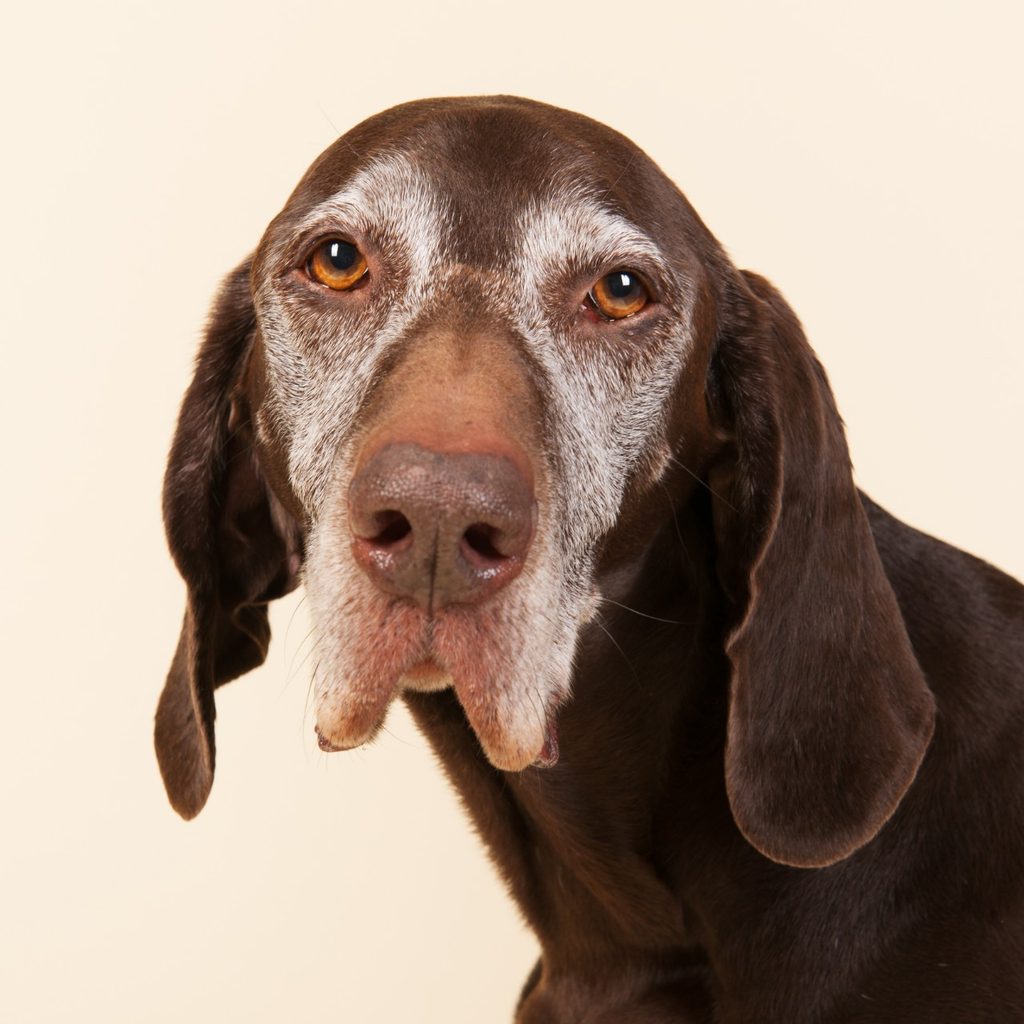
Your dog is your best friend and a beloved member of the family, so you do everything you can to provide them with the best food, fun toys to play with, and your endless devotion. You’re familiar with all your fur baby’s habits, so you know something is wrong when you notice them turning up their nose at their favorite kibble.
Keep a close eye on your pup for a day or two in case the appetite returns to normal on its own, taking notes on any other changes in behavior or additional symptoms, and take your dog to the vet if they’re not back to normal within two days. If your fur baby also refuses to drink water or displays more worrying symptoms like extreme lethargy, call your vet to see if they want you to bring your dog in right away, or take them to an emergency vet just to be safe. You know your dog best!